



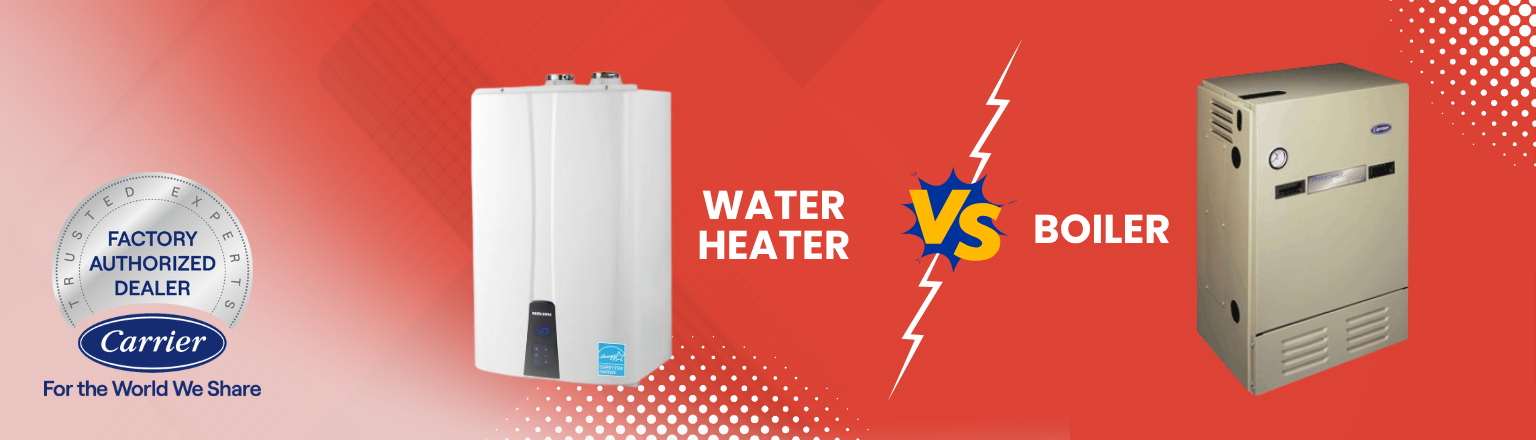
When it comes to keeping your home comfortable, having the right heating system can make all the difference. Whether it’s a chilly winter day or you’re just looking to enjoy a warm shower, two key options often come up: water heaters and boilers. While they both provide hot water, they serve different purposes and have their own unique benefits. But how do you know which one is right for your home?
In this blog, we’ll break down the key differences between water heaters and boilers to help you make an informed decision. From understanding how they work to considering what fits best with your heating needs, we’ve got you covered. So, let’s dive in and explore which system could be your perfect match for home comfort!
What Is a Water Heater?
A water heater is a device that heats water for everyday household use, such as bathing, cooking, cleaning, and even space heating in some cases. Most homes have either a tank-style or a tankless water heater. The tank-style heater stores hot water in a large reservoir and heats it until you need it, while a tankless water heater heats water on demand as it flows through the unit, making it a great option for smaller spaces or homes that need hot water only at specific times.
Water heaters are typically powered by electricity, gas, or even solar energy, depending on the model and your home’s energy setup. They’re designed to provide a steady supply of hot water, but they are mainly used for everyday needs like showers, washing dishes, and doing laundry.
What Is a Boiler?
A boiler is a heating system that provides both warmth and hot water for your home. Unlike a water heater, which focuses solely on heating water, a boiler can do much more. It heats water or air to provide heat throughout the house, helping to keep you comfortable during the colder months.
Boilers work by heating water until it becomes steam or hot water, which is then circulated through pipes and radiators or underfloor heating systems to warm up your home. In addition to heating spaces, boilers can also supply hot water for your daily needs, like showers or washing dishes.
There are different types of boilers, including traditional boilers, combi (combination) boilers, and system boilers. Combi boilers are especially popular because they provide both heating and hot water on demand, without the need for a separate hot water tank.
Boilers can be powered by a variety of fuels, such as natural gas, oil, or electricity, depending on what works best for your home.
Key Differences Between Water Heaters and Boilers

When deciding between a water heater and a boiler, it’s important to understand how each system works and what they are designed to do. While both are used to provide hot water, they serve different purposes and function in unique ways. Here are some key differences:
Heating Purpose:
- Water Heaters are mainly designed to provide hot water for daily use, like taking showers, washing dishes, or doing laundry. They focus on heating water that’s stored in a tank or heated on demand.
- Boilers on the other hand, not only provide hot water but also heat your home. They distribute hot water or steam through radiators or underfloor heating systems, making them ideal for whole-house heating.
Energy Efficiency:
- Water Heaters tend to be more energy-efficient when it comes to heating just water. Since they only heat water as needed (especially tankless models), they use less energy compared to boilers.
- Boilers are generally more energy-efficient in larger homes, especially when used to heat both water and air. However, they can be less efficient if your home doesn’t require heating throughout the year.
Installation Considerations:
- Water Heaters are usually easier to install and require less space. A traditional tank-style water heater can fit in a small closet or basement, while a tankless heater can be wall-mounted, saving space.
- Boilers typically need more space, as they involve a more complex setup to handle both heating and hot water. Installing a boiler can be more expensive due to the added equipment and labor.
Maintenance Needs:
- Water Heaters generally require less maintenance. With periodic flushing to remove sediment buildup and occasional checks for leaks, water heaters can last for years without major issues.
- Boilers need more attention, as they’re responsible for both heating your home and providing hot water. Regular maintenance, such as annual servicing and checking the pressure, is crucial for ensuring your boiler runs smoothly.
Pros and Cons of Water Heaters
Water heaters are a popular choice for homes needing a reliable source of hot water. While they’re great for everyday tasks like showers and washing dishes, it’s important to weigh the benefits and limitations of using a water heater in your home. Here’s a closer look at the pros and cons:
Pros of Water Heaters:
- Lower Upfront Cost: Water heaters, especially tank-style models, are generally more affordable to install compared to boilers. They’re a budget-friendly option for homeowners who only need hot water for daily activities.
- Space-Saving: Tankless water heaters are compact and can be wall-mounted, making them perfect for smaller homes or apartments where space is limited. Even tank models are relatively easy to fit in closets or basements. If you’re considering this type of system, it’s helpful to understand the pros and cons of tankless water heaters before making a decision.
- Simplicity: Water heaters are straightforward to install and operate. There’s less complexity compared to a boiler system, meaning fewer things can go wrong.
- Quick Hot Water: With a traditional tank water heater, hot water is always available as long as the tank is full. Tankless models heat water on demand, ensuring you never run out of hot water.
Cons of Water Heaters:
- Limited Heating Capacity: While water heaters are great for providing hot water, they’re not designed to heat your entire home. If you’re looking for both hot water and home heating, a boiler would be a better fit.
- Energy Use (for Tank Models): Traditional tank water heaters can be less energy-efficient because they continuously heat and store water, even when it’s not being used. This standby heat loss can increase energy bills over time.
- Maintenance: While they’re relatively low-maintenance, water heaters still need regular checks and occasional flushing to prevent sediment buildup, which can impact their efficiency and lifespan.
Pros and Cons of Boilers
Boilers are an excellent choice for homeowners who need both hot water and heating throughout their home. However, as with any system, there are benefits and some potential drawbacks to consider. Let’s explore the pros and cons of using a boiler:
Pros of Boilers:
- Whole-Home Heating and Hot Water: One of the biggest advantages of a boiler is its ability to heat both your home and provide hot water. This makes it a versatile solution, especially in colder climates where heating is essential year-round.
- Energy Efficiency: Modern boilers, particularly condensing boilers, are highly energy-efficient. They recover heat from the exhaust gases, reducing energy waste and lowering your energy bills. If you have a larger home or need consistent heat, a boiler can be a more efficient option in the long run.
- Comfortable Heating: Boilers use radiant heat, which is often considered more comfortable than forced air heating from a furnace. The warmth from radiators or underfloor heating is gentle and evenly distributed, creating a cozy atmosphere in your home.
- Long Lifespan: Boilers are built to last and, with proper maintenance, can serve you for many years. Their sturdy construction and reliability make them a solid investment for homeowners seeking long-term solutions.
Cons of Boilers:
- Higher Installation Costs: Boilers can be more expensive to install compared to water heaters, especially if you choose a high-efficiency model or need extensive ductwork or piping installed for heating purposes.
- Space Requirements: Boilers require more space than water heaters, particularly if you need separate units for heating and hot water. They may also need a dedicated area for installation, such as a basement or utility room.
- Maintenance Needs: While boilers are durable, they require regular maintenance to keep them running efficiently. Annual servicing, checking the pressure, and monitoring for leaks or blockages are important to prevent costly repairs down the road.
- Longer Heating Times: Boilers may take longer to heat water compared to water heaters, especially if you have a large system. Although this is typically not an issue if the system is properly maintained, it’s something to keep in mind.
Water Heater or Boiler: Which One Is Right for You?
Deciding between a water heater and a boiler comes down to your specific needs and preferences. Both systems have their strengths, but which one is the best fit for your home depends on what you’re looking to achieve. Here’s how to figure out which option works best for you:
Choose a Water Heater If:
- You Only Need Hot Water: If your main goal is to have a reliable source of hot water for things like showers, dishes, and laundry, a water heater is likely your best choice. It’s simple, efficient, and gets the job done without the need for extra heating features.
- You Have Limited Space: If your home is on the smaller side or you don’t have room for bulky systems, a tankless water heater can be wall-mounted and save valuable space.
- You’re Looking for Lower Upfront Costs: Water heaters generally cost less to install than boilers, making them a budget-friendly choice for many homeowners.
For those considering a water heater, we offer expert installation services to ensure everything is set up properly. Learn more about our water heater installation services.
Choose a Boiler If:
- You Need Both Heating and Hot Water: If you want a single system that provides both space heating and hot water, a boiler is the way to go. It’s a great all-in-one solution for homes in colder climates or larger homes that require consistent heating.
- You Prefer Radiant Heat: If you enjoy the comfort of radiant heating, which provides consistent warmth without the dryness of forced air, a boiler can offer that with the use of radiators or underfloor heating.
- You’re Willing to Invest in Long-Term Efficiency: Although boilers have a higher initial cost, they are often more energy-efficient in the long run, especially if you need constant heating throughout the year.
If you’re thinking about a boiler, we also provide professional boiler installation services to get you started.
Final Verdict
Choosing between a water heater and a boiler ultimately depends on your home’s needs and what you value most. If you just need hot water for everyday tasks and want an affordable, simple solution, a water heater is a great choice. On the other hand, if you need both home heating and hot water in one system, a boiler could be the perfect fit, especially for larger homes or colder climates.
Think about how much space you have, your budget, and how much heating you require. Both options have their own benefits, and understanding these key differences will help you make a decision that suits your lifestyle and keeps your home comfortable all year round.
Ready to make the switch or need help choosing the right system for your home? Contact us today to speak with an expert and get personalized advice on water heaters, boilers, and more.