




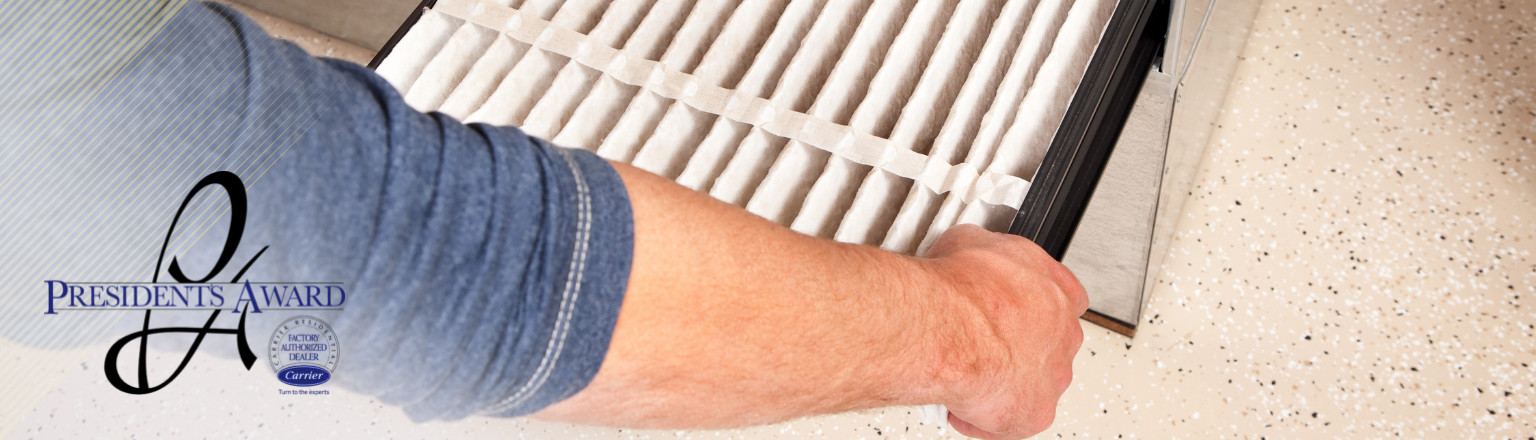
Your furnace plays a vital role in keeping your home warm and comfortable, especially during those chilly Canadian winters. While many homeowners focus on thermostat settings or routine maintenance, one crucial aspect that often gets overlooked is the furnace filter.
A clean furnace filter is essential for maintaining healthy indoor air quality and ensuring your heating system runs efficiently. When the filter becomes clogged with dust, pet hair, and other debris, it forces your furnace to work harder. This not only reduces its performance but can also lead to higher energy bills and potential system damage.
By understanding the importance of regular filter changes, you can improve your home’s air quality, protect your HVAC system, and even save money in the long run. Let’s explore how often you should change your furnace filter and what factors influence its lifespan.
Why Changing Your Furnace Filter Is Important?
Keeping your furnace filter clean isn’t just a recommendation; it’s a simple yet powerful way to improve your home’s comfort, air quality, and energy efficiency. Here’s why regular filter changes are essential:
Improved Air Quality
Your furnace filter’s primary job is to trap dust, pollen, pet dander, and other airborne particles. When the filter becomes clogged, these pollutants can circulate throughout your home, aggravating allergies and respiratory issues. Replacing your filter regularly helps keep the air you breathe cleaner and healthier — a must for families with children, pets, or allergy sufferers.
Enhanced Energy Efficiency
A clogged filter makes your furnace work harder to push air through your ducts. This added strain reduces efficiency, forcing your system to consume more energy. By keeping the filter clean, air can flow freely, allowing your furnace to operate smoothly and efficiently. This not only improves performance but can also lower your monthly energy bills.
Prolonged Lifespan of Your Furnace
When your furnace is constantly overworking due to a dirty filter, it experiences unnecessary wear and tear. Over time, this strain can lead to breakdowns, costly repairs, or even premature system failure. Changing the filter on time reduces this risk, helping your furnace last longer and saving you from unexpected expenses.
Taking a few minutes to replace your furnace filter regularly is a small step that can make a big difference in your home’s comfort, your wallet, and your HVAC system’s longevity. For a full breakdown of essential upkeep, check out our furnace maintenance checklist.
How Often Should You Change Your Furnace Filter?
Knowing when to change your furnace filter can feel confusing, but following a simple schedule can help you avoid common HVAC issues. While there’s no one-size-fits-all answer, certain guidelines can help you determine the best replacement frequency for your home.
Standard Timeline Guidelines
The type and thickness of your furnace filter significantly impact how often it should be replaced:
- 1-Inch and 2-Inch Filters: These thinner filters typically need to be replaced every 1 to 3 months.
- 3-Inch and 4-Inch Filters: These medium-sized filters can last 6 to 9 months with regular checks.
- 5-Inch and Thicker Filters: These high-capacity filters are designed for longer use and may only require replacement every 9 to 12 months.
- Fiberglass Filters: Affordable but less efficient, requiring replacement every 1 to 2 months.
- Pleated Filters: Better at capturing dust and allergens, lasting 3 to 6 months.
- High-Efficiency Filters (like HEPA): Effective for trapping tiny particles, but should be replaced every 6 to 12 months based on usage. These high-efficiency filters are rated using a MERV (Minimum Efficiency Reporting Value) system, which measures their ability to trap small particles.
When to Check the Filter More Frequently
Even with these guidelines, certain household factors may require you to inspect and change your filter more often:
- Homes with Pets: Pet hair and dander can clog filters quickly, so monthly checks are a smart habit.
- Allergy-Prone Households: If anyone in your home suffers from allergies or respiratory issues, changing your filter every 1 to 2 months can help maintain cleaner air.
- Heavy Furnace Usage: During colder months, when your furnace runs frequently, filters may become dirty faster, requiring more frequent replacements.
The best approach is to check your filter monthly. If it looks dirty or clogged, it’s time for a change, even if it’s ahead of schedule. Staying proactive ensures your home stays warm, your air stays clean, and your furnace performs at its best.
Factors That Affect Filter Replacement Frequency
While general guidelines provide a solid starting point, several factors unique to your home can impact how often your furnace filter needs changing. Understanding these variables can help you create a maintenance schedule that suits your household’s specific needs.
Home Size and Layout
The size and design of your home directly influence how much air your furnace must circulate. Larger homes require more airflow, meaning your filter may accumulate dust and debris faster. Likewise, multi-level homes often have additional ductwork, which can increase the strain on your system and shorten the filter’s lifespan.
Pets and Allergies
If you share your home with furry friends, pet hair and dander can clog your furnace filter surprisingly fast. Even well-groomed pets contribute to indoor allergens, making frequent filter checks essential. Similarly, if anyone in your household suffers from allergies, asthma, or other respiratory conditions, changing your filter more often can help maintain cleaner, healthier air.
Seasonal Usage
Your furnace works hardest during peak heating months. In colder seasons, when the system runs almost constantly, the filter can become dirty much quickly. Checking the filter monthly during these periods can prevent dust buildup and ensure your furnace keeps running efficiently.
Signs It’s Time to Replace Your Furnace Filter
Even with a regular schedule in mind, it’s important to watch for signs that your furnace filter needs replacing sooner than expected. Here are some clear indicators that it’s time for a change:
Visible Dirt or Dust Buildup
A quick visual check can reveal a lot. If your filter looks gray or dusty or has visible debris coating its surface, it’s no longer doing its job effectively. A clean filter should allow light to pass through. If yours appears dense and dark, it’s overdue for a replacement.
Increased Allergy Symptoms
If you or your family members are sneezing more often, experiencing itchy eyes, or noticing worsened allergy symptoms indoors, a dirty filter could be the culprit. When clogged, filters can no longer trap dust, pollen, and other irritants, allowing them to circulate freely in your home.
Higher Energy Bills or Reduced Heating Efficiency
A sudden spike in your energy bill may indicate that your furnace is working harder than usual and requires repair. When a dirty filter restricts airflow, your system has to consume more energy to maintain the desired temperature. If your home feels less warm than usual despite your furnace running consistently, a clogged filter may be to blame.
Strange Sounds from Your Furnace
If your furnace is suddenly making an unusual noise, such as a whistling, rattling, or thumping sound, a clogged filter could be the cause. When the filter is full of debris, it restricts airflow, forcing the blower fan to strain and creating these noises. If you hear new sounds, it’s worth checking the filter as a first step.
How to Change Your Furnace Filter in 3 Easy Steps
Changing your furnace filter is a simple task that can have a big impact. Just follow these easy steps to get the job done right.
Step 1: Turn Off the Power
For safety, always turn off the power to your furnace before you begin. The power switch is usually a simple toggle switch located on the side of the furnace itself or on a nearby wall. This prevents the system from turning on unexpectedly while you are working.
Step 2: Locate and Remove the Old Filter
The filter is typically found in one of two places: in a slot on the side of the furnace or behind a removable grille on a return air vent (usually on a wall or ceiling). Before you remove the old filter, take note of the airflow direction arrow printed on its frame. This arrow should always point toward the furnace.
Step 3: Install the New Filter
Slide the old filter out and dispose of it properly. Then, take your new filter and make sure its airflow direction arrow is pointing the same way as the old one—that is, toward the furnace. Slide the new filter into the slot, close the door or replace the grille, and turn the power back on.
Final Words
Regularly changing your furnace filter is one of the simplest yet most effective ways to maintain a healthy and efficient heating system. By staying on top of filter replacements, you can improve indoor air quality, reduce energy costs, and extend the lifespan of your furnace.
While replacing your filter is easy, neglecting it for too long can lead to bigger issues like airflow problems, overheating, or even system malfunctions. If your furnace isn’t heating your home properly despite a clean filter, there may be a deeper issue at play. In such cases, it’s wise to seek professional help. For expert assistance, consider our reliable furnace repair services to ensure your system runs smoothly all season long.
Taking a proactive approach to filter maintenance can save you from costly repairs and keep your home warm and comfortable when you need it most.
Frequently Asked Questions
The general guideline is every 1 to 3 months, but this can vary. Thinner filters (1-inch) may need to be changed monthly, while thicker, high-capacity filters (5-inch) can last up to 12 months.
You should look for visible signs of dirt or dust buildup on the filter. Other indicators include increased allergy symptoms, reduced heating efficiency, or a sudden spike in your energy bills.
If you have pets, you may need to change your filter more frequently, possibly as often as once a month. Pet hair and dander can quickly clog filters and reduce your furnace’s efficiency.
A furnace filter’s primary job is to trap airborne pollutants like dust, pollen, and pet dander. A clean filter ensures these irritants don’t circulate throughout your home, helping to maintain cleaner, healthier air.
Neglecting to change your filter can lead to several issues. It forces your furnace to work harder, which can reduce its efficiency, increase your energy bills, and cause unnecessary wear and tear that can shorten the lifespan of your heating system.